
Kicking off with Tiny homes and sustainable living, this trend not only emphasizes minimalistic living but also champions a more sustainable lifestyle. The allure of tiny homes lies in their ability to reduce environmental footprints while allowing individuals to embrace a more intentional way of life.
As we delve into this topic, we’ll explore how tiny homes promote eco-friendliness through energy-efficient designs and sustainable materials. Additionally, we’ll uncover the role of real estate agents in facilitating tiny home sales while addressing financing options that make these homes accessible to a wider audience.
Tiny Homes as a Sustainable Living Solution
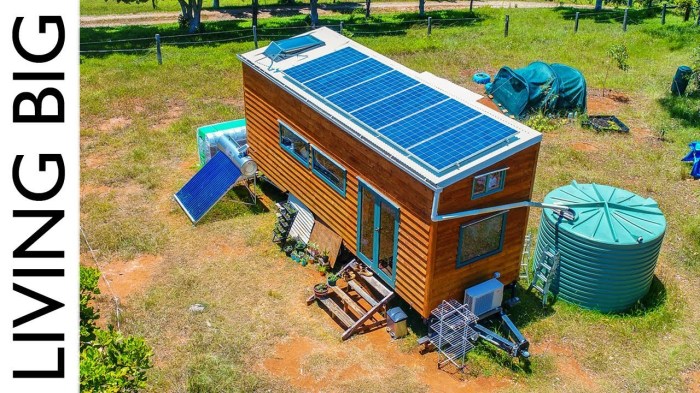
Tiny homes have emerged as a compelling option for individuals seeking sustainable living solutions. By significantly reducing living space and consumption, these homes promote a lifestyle that prioritizes environmental stewardship and resource efficiency. With a smaller footprint, tiny homes challenge conventional notions of space and consumption, paving the way for a more sustainable future.The benefits of tiny homes in promoting sustainable living practices are manifold.
Firstly, the compact design typically leads to lower utility bills and resource usage. Smaller living spaces mean less energy is required for heating, cooling, and power, ultimately fostering a more eco-friendly lifestyle. The simplicity of tiny living encourages residents to downsize their possessions, which further contributes to reduced consumption and waste.
Reduction of Environmental Footprints and Resource Consumption
Tiny homes inherently lead to a reduction in environmental footprints due to their size and design. A smaller dwelling translates to less land use and fewer resources required for construction and maintenance. Below are several key points highlighting how tiny homes minimize environmental impact:
- Lower Energy Consumption: Tiny homes require significantly less energy for heating and cooling, often utilizing natural ventilation and insulation techniques to maintain comfortable temperatures.
- Reduced Material Waste: Building a tiny home typically involves less material compared to traditional homes, leading to reduced waste during the construction phase.
- Smaller Land Use: The compact size of tiny homes allows for the efficient use of land, promoting higher density living without increasing urban sprawl.
Eco-Friendly Features of Tiny Homes
The eco-friendly characteristics of tiny homes extend beyond their size. Many tiny homes incorporate sustainable materials and energy-efficient technologies that further enhance their green credentials. Key features often include:
- Energy-Efficient Appliances: Tiny homes frequently utilize compact, energy-efficient appliances that consume less power while offering the necessary functionality.
- Solar Panels: Many tiny homes are equipped with solar panels, allowing residents to harness renewable energy, reduce reliance on fossil fuels, and lower electricity costs.
- Sustainable Materials: Builders often opt for reclaimed wood, recycled materials, or sustainably sourced products, minimizing the environmental impact associated with material extraction and processing.
“Tiny homes exemplify a shift towards minimalism and sustainability, encouraging a lifestyle that values quality over quantity.”
These features not only contribute to a smaller environmental footprint but also promote a lifestyle that embraces sustainability, community, and simplicity. As tiny homes continue to rise in popularity, they present a practical solution for those looking to lead a more responsible and environmentally conscious life.
The Role of Real Estate Agents in Tiny Home Sales
Real estate agents play a pivotal role in the burgeoning market of tiny homes. As more individuals and families seek affordable and sustainable living options, realtors are uniquely positioned to bridge the gap between innovative housing solutions and eager buyers. Successfully marketing these compact homes requires a blend of traditional real estate strategies and an understanding of the unique benefits tiny living offers.Educating clients about the nuances of tiny home living is essential in this niche market.
Real estate professionals must convey the advantages of downsizing and the lifestyle adjustments that accompany such a transition. This involves showcasing how tiny homes can enhance financial freedom, simplify life, and promote sustainability, thereby attracting a diverse range of buyers interested in these innovative living spaces.
Marketing Strategies for Tiny Homes
Effective marketing of tiny homes necessitates tailored approaches that resonate with potential buyers. Understanding the unique selling points of tiny homes is crucial for real estate agents. Here are several strategies to consider:
- Highlighting Sustainability: Emphasizing eco-friendly materials and energy-efficient designs can attract buyers who are passionate about the environment. Agents should showcase any green certifications or energy-efficient appliances that come with the home.
- Showcasing Versatility: Tiny homes often come with multifunctional spaces. Agents should illustrate how these designs can adapt to various lifestyles, whether as primary residences, vacation homes, or rental properties.
- Utilizing Virtual Tours: With the rise of technology, offering virtual tours can provide prospective buyers an immersive experience of the tiny home layout and features without the need for physical travel.
- Engaging Local Communities: Participating in local events or workshops can help agents connect with potential buyers. Touching upon the sense of community found in tiny home neighborhoods can be a strong selling point.
Educating Clients on Tiny Home Living
Educating clients about tiny home living involves addressing both the benefits and challenges of downsizing. Here are key areas where real estate agents can provide valuable insights:
- Financial Benefits: Artikel cost savings associated with purchasing and maintaining a tiny home compared to traditional homes, such as lower utility bills and reduced property taxes.
- Lifestyle Adjustments: Discuss how living in a smaller space can lead to decluttering and more intentional living, encouraging clients to think about their essential needs.
- Community Living: Explain the appeal of tiny home communities, where residents can enjoy shared amenities and social interactions, fostering a sense of belonging.
Understanding Zoning Laws Related to Tiny Homes
Navigating zoning laws is crucial for real estate professionals dealing with tiny homes. Many areas have specific regulations governing where tiny homes can be placed, which can significantly impact a buyer’s purchase decisions. A real estate agent must understand the following:
- Local Zoning Regulations: Different municipalities have varying rules on tiny homes. Familiarity with these regulations helps agents guide buyers toward compliant properties.
- Building Codes: Tiny homes must adhere to local building codes, which can dictate construction standards and safety measures. Educating buyers about these codes ensures they make informed decisions.
- Permitting Processes: Agents should walk clients through the permitting process for placing tiny homes on wheels or foundations, as this can vary widely across regions.
“Understanding local zoning laws and building codes can make or break a tiny home sale, emphasizing the need for real estate agents to stay informed and proactive.”
Financing and Investing in Tiny Homes
As the tiny home movement gains traction, many individuals and investors are exploring various financing options that differ significantly from traditional home loans. Understanding these options is crucial for those looking to embrace this minimalist lifestyle or invest in this burgeoning market.When it comes to financing a tiny home, potential buyers should consider several factors that set tiny home loans apart from conventional mortgages.
Unlike traditional home loans, which often require a significant down payment and are tied to interest rates influenced by credit scores, tiny home financing may offer more flexible terms. Buyers can often choose from personal loans, RV loans, or even specialized tiny home financing options. Each of these has its own unique criteria, interest rates, and repayment structures.
Financing Options for Tiny Homes
The financing landscape for tiny homes includes various options tailored to meet different needs and circumstances. Understanding these can help buyers make informed decisions.
- Personal Loans: Many buyers opt for unsecured personal loans, which allow for quicker approval and do not require collateral. However, interest rates can be higher than secured loans.
- RV Loans: For those purchasing tiny homes built on trailers, RV loans can be a suitable choice. These loans typically have shorter terms and may come with lower interest rates than personal loans.
- Specialized Tiny Home Financing: Some financial institutions offer loans specifically for tiny homes. These may come with unique terms that cater to the needs of tiny home buyers, such as lower down payments or extended terms.
- Home Equity Loans: Homeowners can tap into the equity of their existing properties to finance a tiny home, providing access to lower interest rates.
The investment potential of tiny homes has garnered interest, particularly as more people seek affordable and sustainable living options. The affordability and flexibility of tiny homes can lead to appealing investment opportunities, particularly in the vacation rental market.
Investment Potential of Tiny Homes
Investing in tiny homes can offer advantages over conventional residential properties, particularly in terms of initial costs and potential returns. Tiny homes typically require lower upfront costs, making them accessible to a broader range of investors. Additionally, their growing popularity as vacation rentals can yield significant returns.Investors should be aware of several key points regarding the investment landscape for tiny homes:
- Lower Purchase Prices: Tiny homes are generally much cheaper than traditional homes, allowing for quicker return on investment.
- High Rental Demand: The increasing trend of eco-tourism and desire for unique travel experiences has fueled demand for tiny homes as vacation rentals.
- Flexible Use: Tiny homes can be relocated or repurposed, providing versatility that conventional properties may lack.
- Potential for Appreciation: As the tiny home movement continues to grow, the potential for property appreciation is increasing, especially in desirable locations.
The adaptability of tiny homes extends beyond personal use; they can also serve as viable options for vacation rentals within commercial construction frameworks. This adaptability opens up further avenues for generating income and contributing to the sustainability movement.
Tiny Homes as Vacation Rentals
Tiny homes can be effectively integrated into the vacation rental market, leveraging the demand for unique and sustainable accommodations. They fit well within the commercial construction framework, allowing for innovative development while adhering to local regulations.Investors looking to enter this market should consider the following factors:
- Location Selection: Identifying areas with high tourist traffic is essential. Proximity to attractions can significantly increase rental demand.
- Unique Features: Offering unique amenities, such as eco-friendly designs or innovative layouts, can set a tiny home apart from traditional rentals.
- Regulatory Compliance: Ensuring adherence to local zoning laws and building codes is crucial for successful operations.
- Marketing Strategy: Utilizing effective digital marketing strategies and platforms can enhance visibility and attract guests quickly.
In summary, tiny homes present unique financing options and remarkable investment potential, particularly in the growing vacation rental segment. Both individual buyers and investors can capitalize on the flexibility, affordability, and sustainability that tiny homes offer, making them a compelling choice in today’s real estate market.
Final Conclusion
In conclusion, tiny homes and sustainable living represent a forward-thinking approach to housing that aligns with the growing awareness of environmental issues. By embracing these compact living spaces, we not only minimize our consumption of resources but also pave the way for a more sustainable future.
General Inquiries
What are the main benefits of tiny homes?
Tiny homes offer lower costs, reduced environmental impact, and the ability to simplify life by minimizing possessions.
Can tiny homes be used as vacation rentals?
Yes, tiny homes can be ideal vacation rentals due to their unique appeal and often lower maintenance costs compared to traditional properties.
Are there specific zoning laws for tiny homes?
Yes, zoning laws vary by location and can affect where tiny homes can be placed; it’s important to check local regulations.
How do tiny homes promote energy efficiency?
Tiny homes often incorporate energy-efficient appliances, sustainable building materials, and smart design, which all contribute to lower energy consumption.
What financing options are available for tiny homes?
Financing options include personal loans, RV loans, and specialized tiny home loans, differing from traditional mortgages in terms of requirements and structures.


